From a 1931 newspaper sketch of the cemetery's planned grounds to this year's volunteer work days — the visual record of Duncan Heights, then and now.
The entrance, imagined
The stone wall on Duncan Avenue
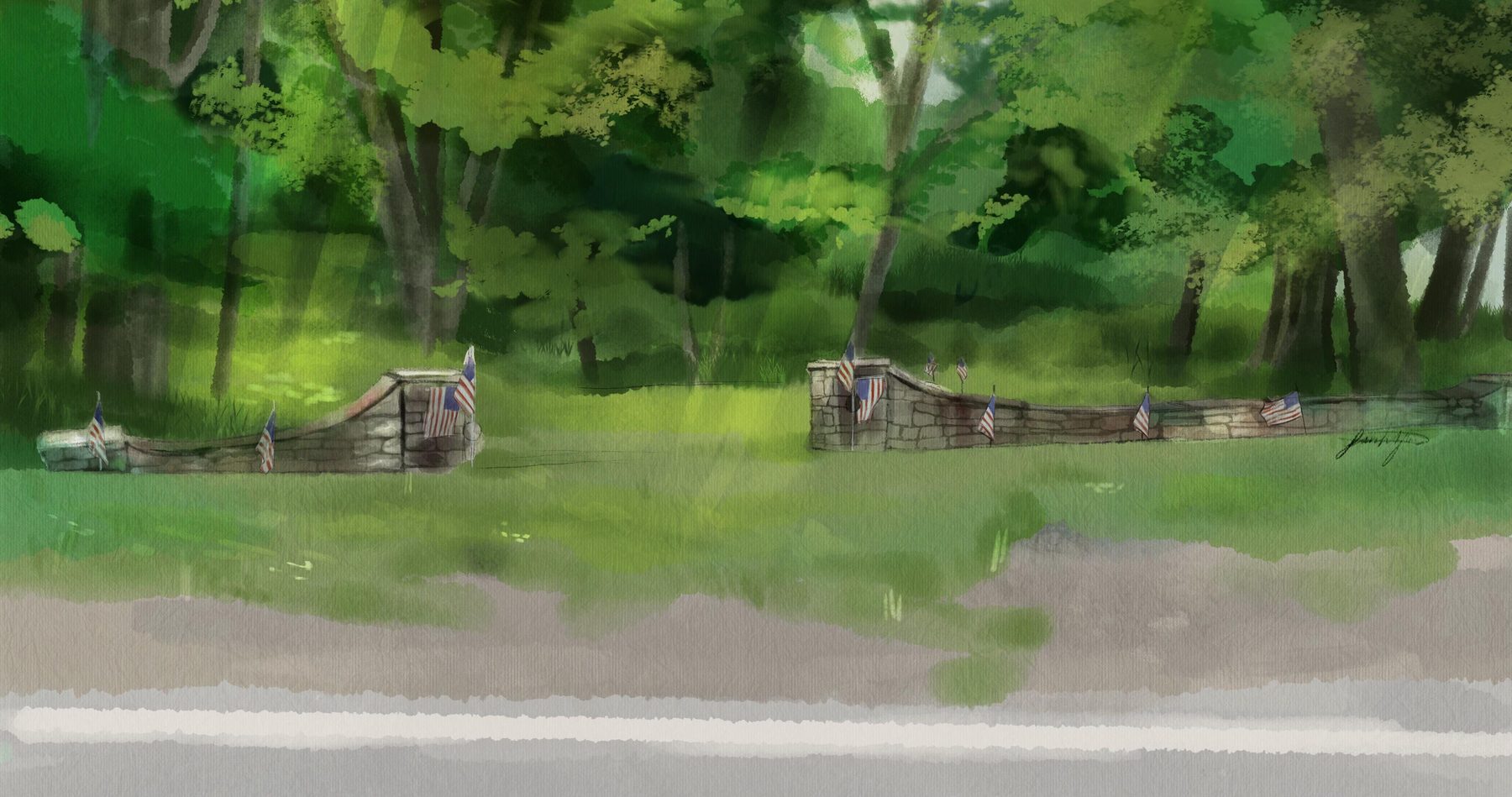
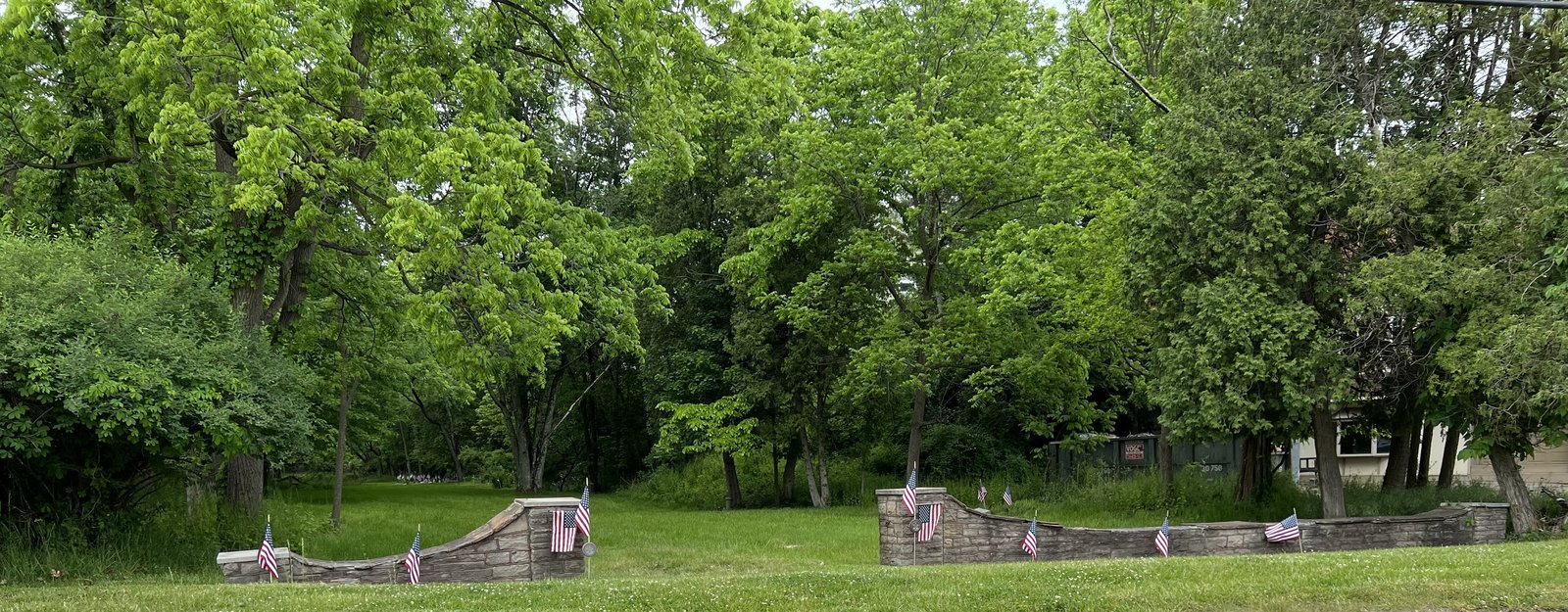
Painted renderings of the cemetery's surviving stone entrance wall, based on a volunteer's photograph — flags placed by veterans' groups still stand along its length each Memorial Day.
The entrance wall along Duncan Avenue, rendered from a volunteer photograph.The same wall, photographed on site.The veterans' row, flagged for Memorial Day.
The veterans' section
Rows kept, and rows still being found
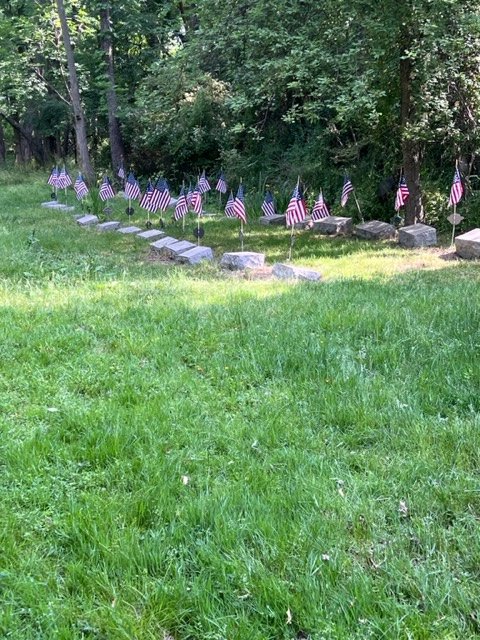
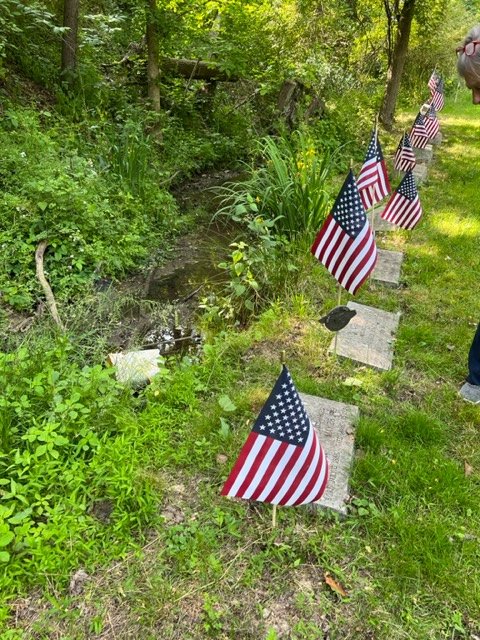
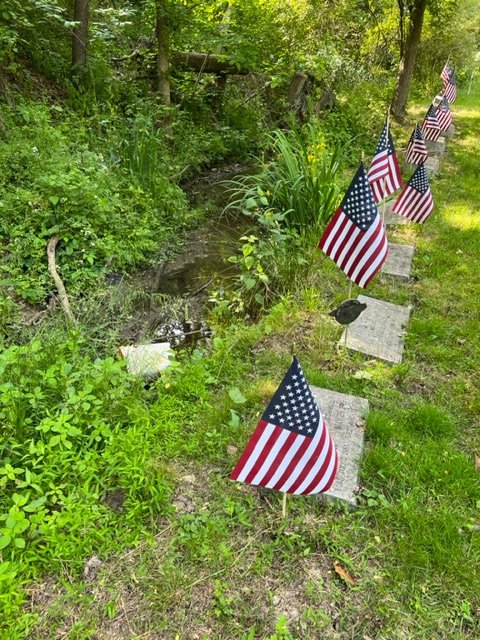
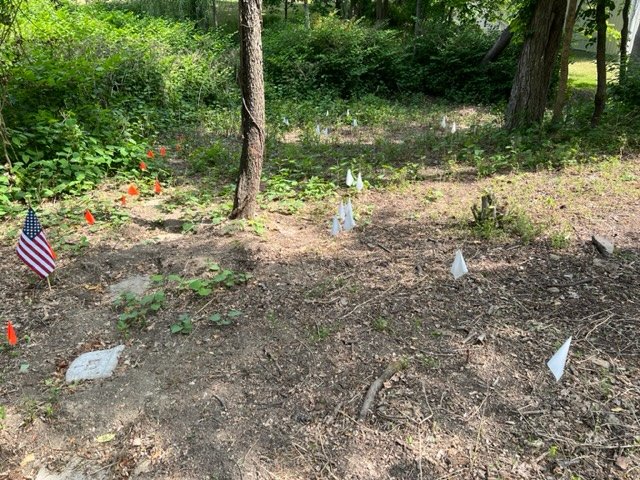
The best-preserved graves sit closest to the road, some along a small stream — flagged each Memorial Day by local veterans' groups. Further back, survey flags mark headstones only recently rediscovered under decades of brush.
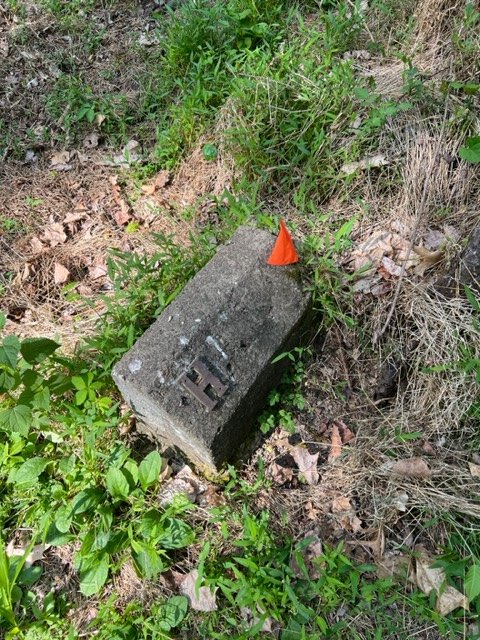
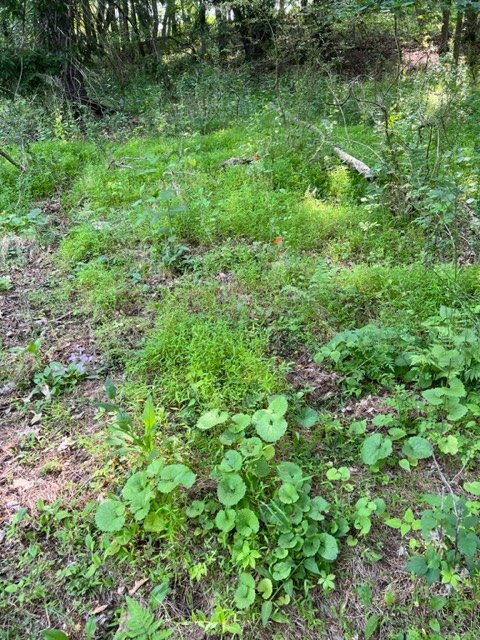
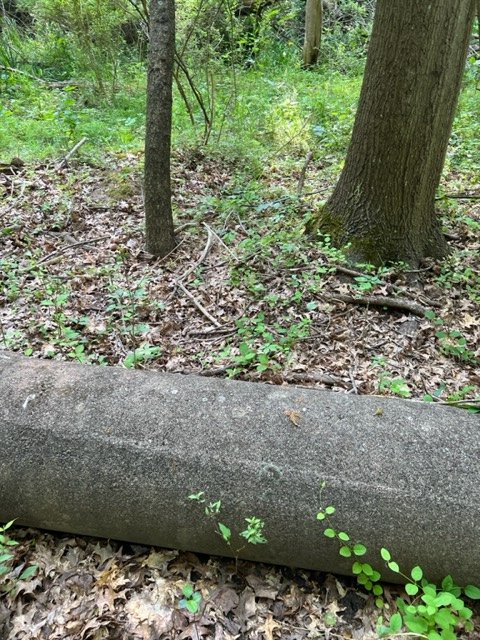
Flagged headstones close to the water's edge.The same row, from a different angle.One of the cemetery's minimal markers — inscribed simply "H," as described in 2000 Post-Gazette coverage of the cemetery's poorly marked graves.Faint depressions in the ground, likely marking where coffins have settled underground.A newly cleared section, with survey flags marking rediscovered graves.A weathered concrete object among the leaf litter — likely part of a broken grave marker or cemetery curbing.
Beyond the mowed lawn
What sixty years of neglect looks like
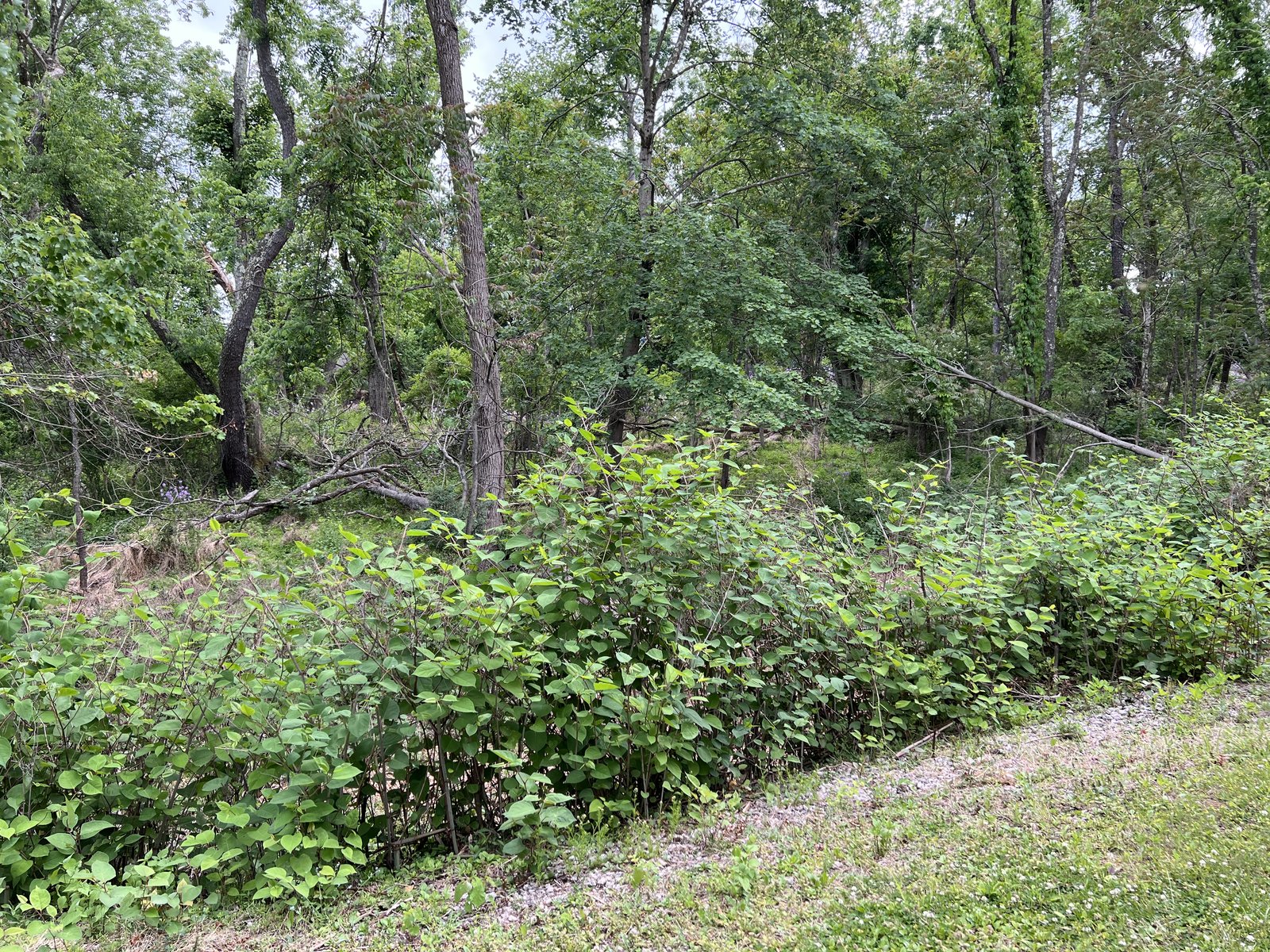
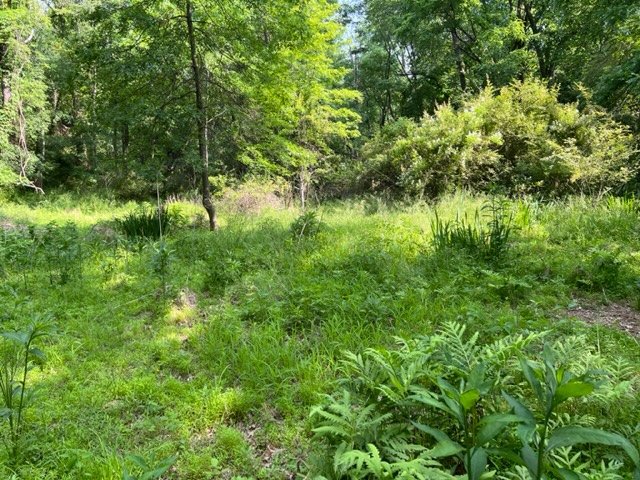
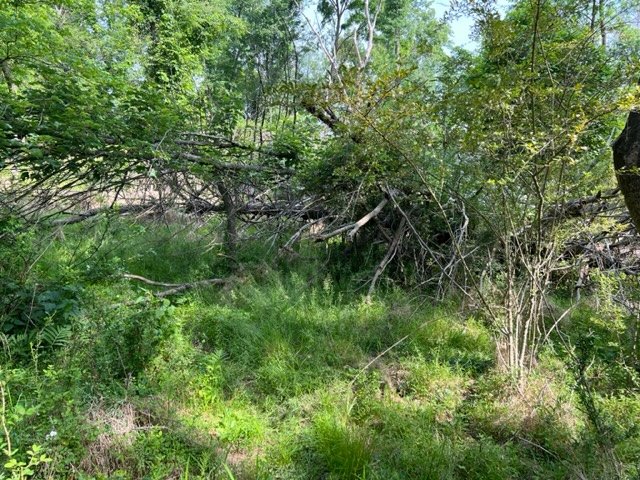
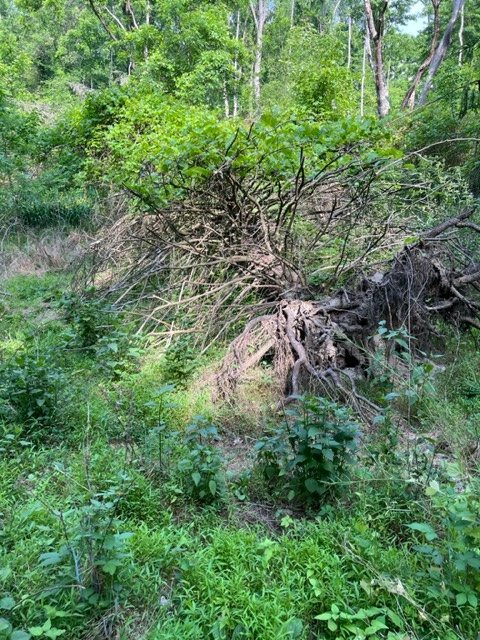
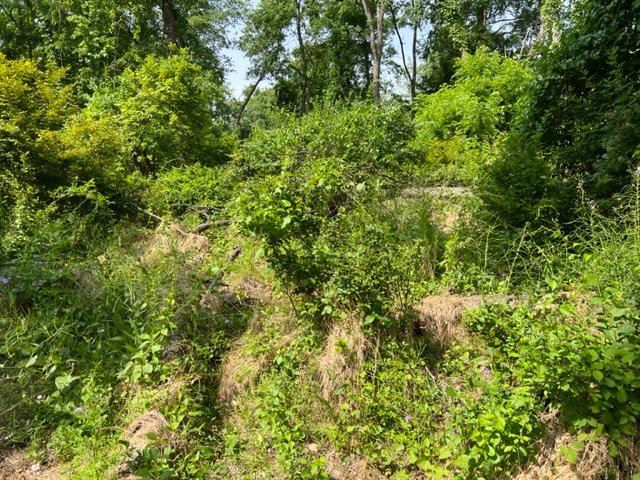
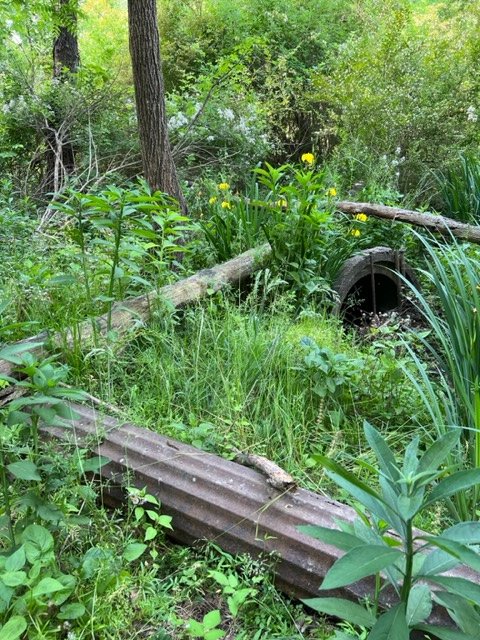
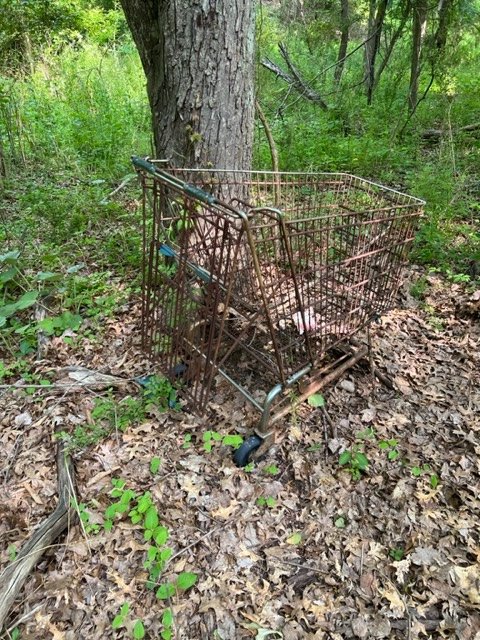
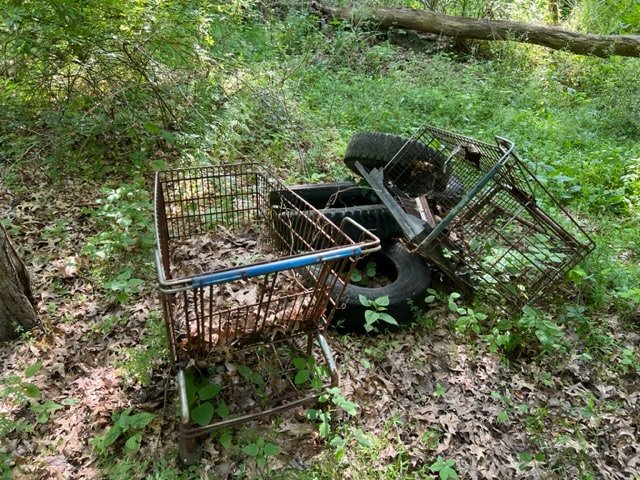
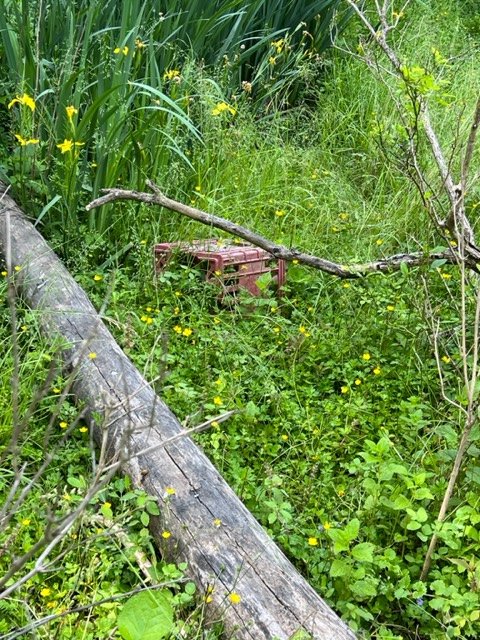
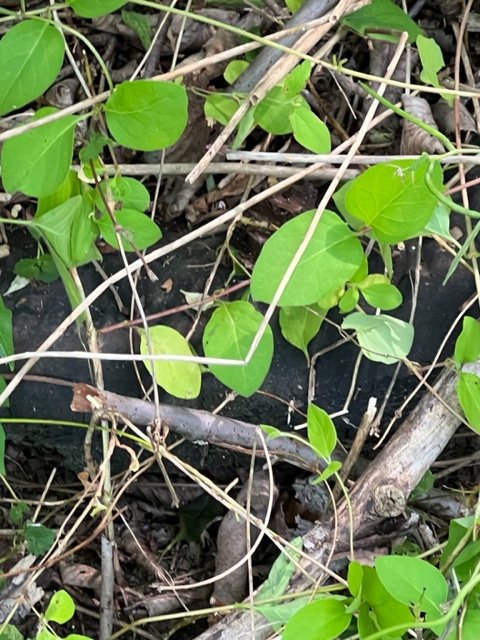
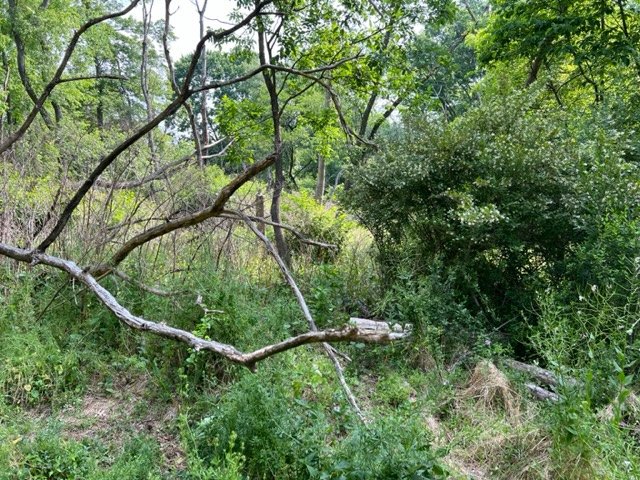
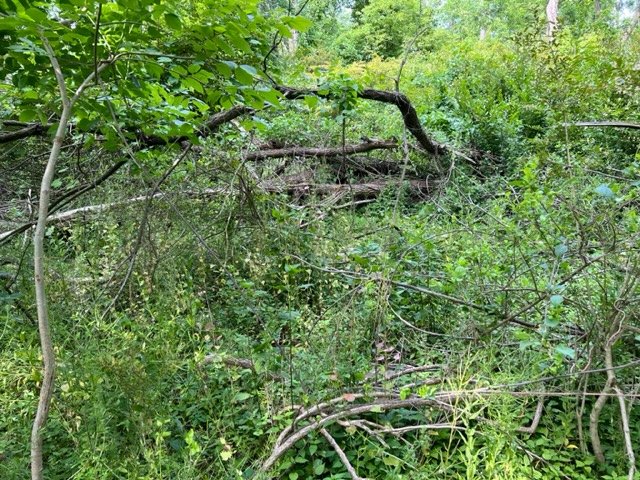
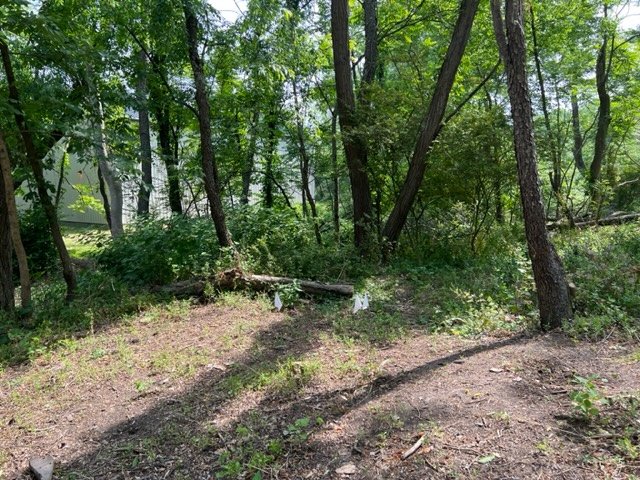
Past the tended front section, the cemetery becomes dense woods and marsh: fallen trees, thick undergrowth, and a creek clogged with decades of dumped debris — shopping carts, tires, and old crates sit tangled among the headstones.
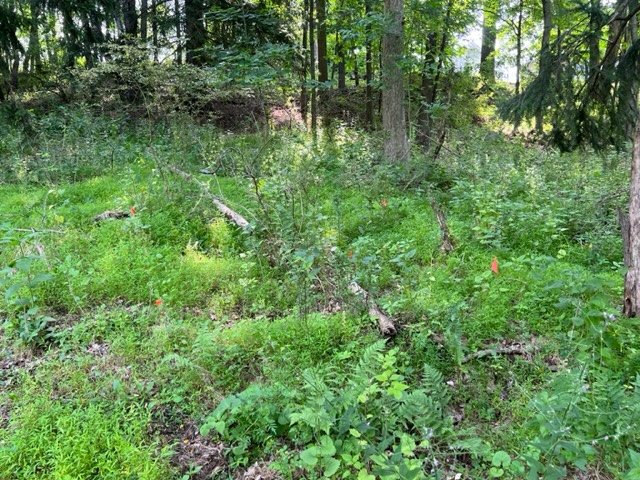
Overgrowth in an uncleared section.An uprooted tree, part of the ongoing storm damage to the grounds.A hillside recently cleared by volunteers.One of the clogged creek culverts, now surrounded by wild iris.A dumped shopping cart, decades old, wedged against a tree.Dumped shopping carts and a tire, part of the debris volunteers clear each work day.Wild rose, growing through the brush.Suburban homes now back directly onto the cemetery grounds.
Finding the graves
Survey flags and quiet excavation
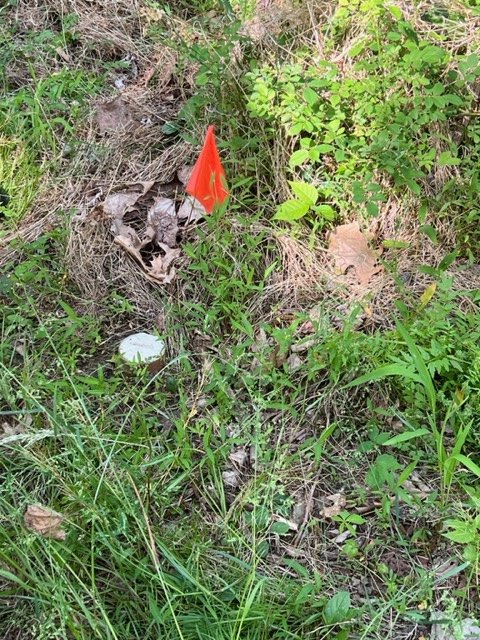
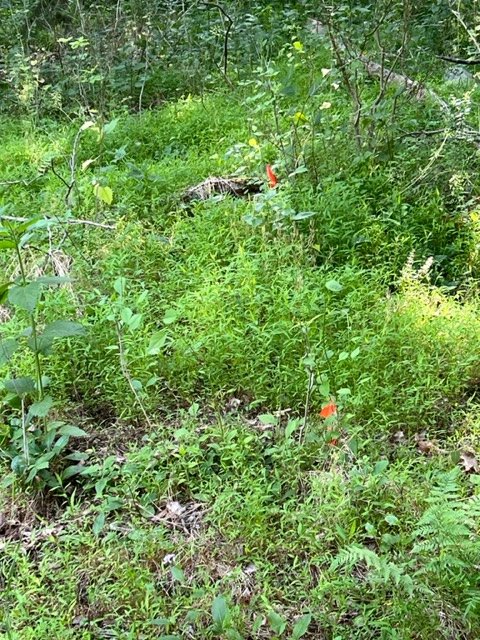
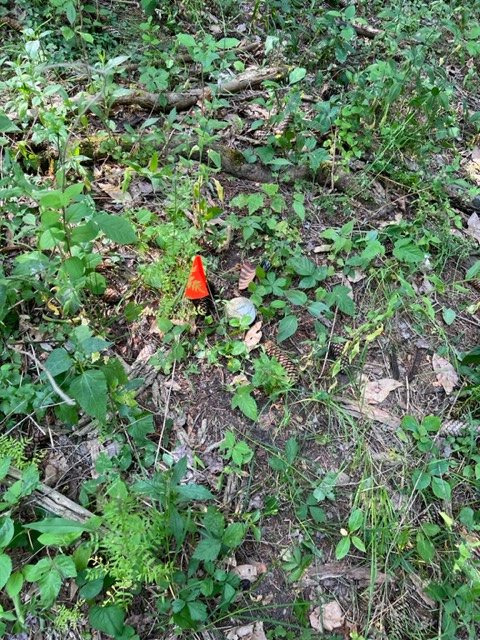
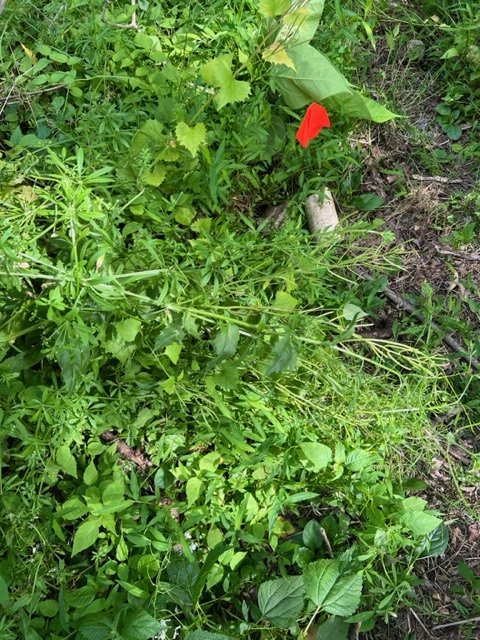
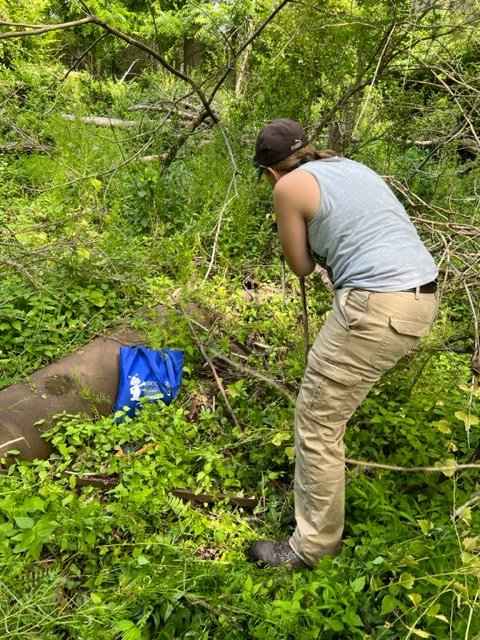
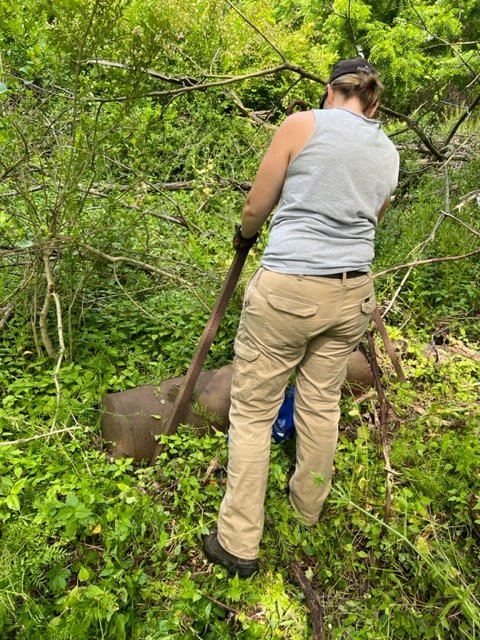
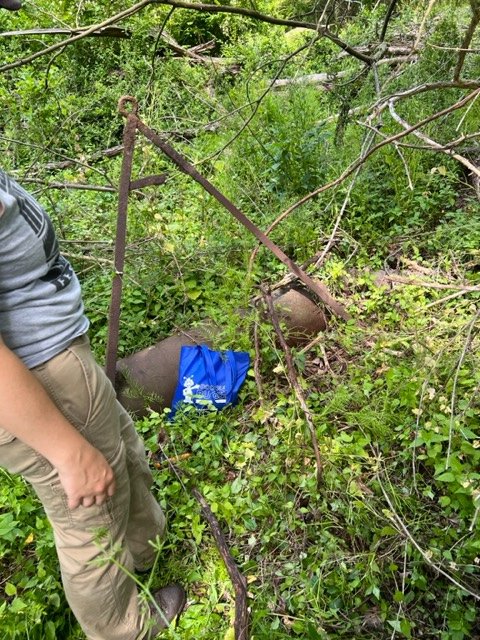
Volunteers mark suspected grave sites with small flags before carefully clearing around them by hand — a slow, deliberate process aimed at documenting the cemetery's layout without damaging what's beneath the surface.
A cluster of survey flags marking newly identified grave sites.A volunteer carefully excavating around a buried marker.Tools and a partially unearthed metal grave marker frame.
1931, on paper
How it was announced
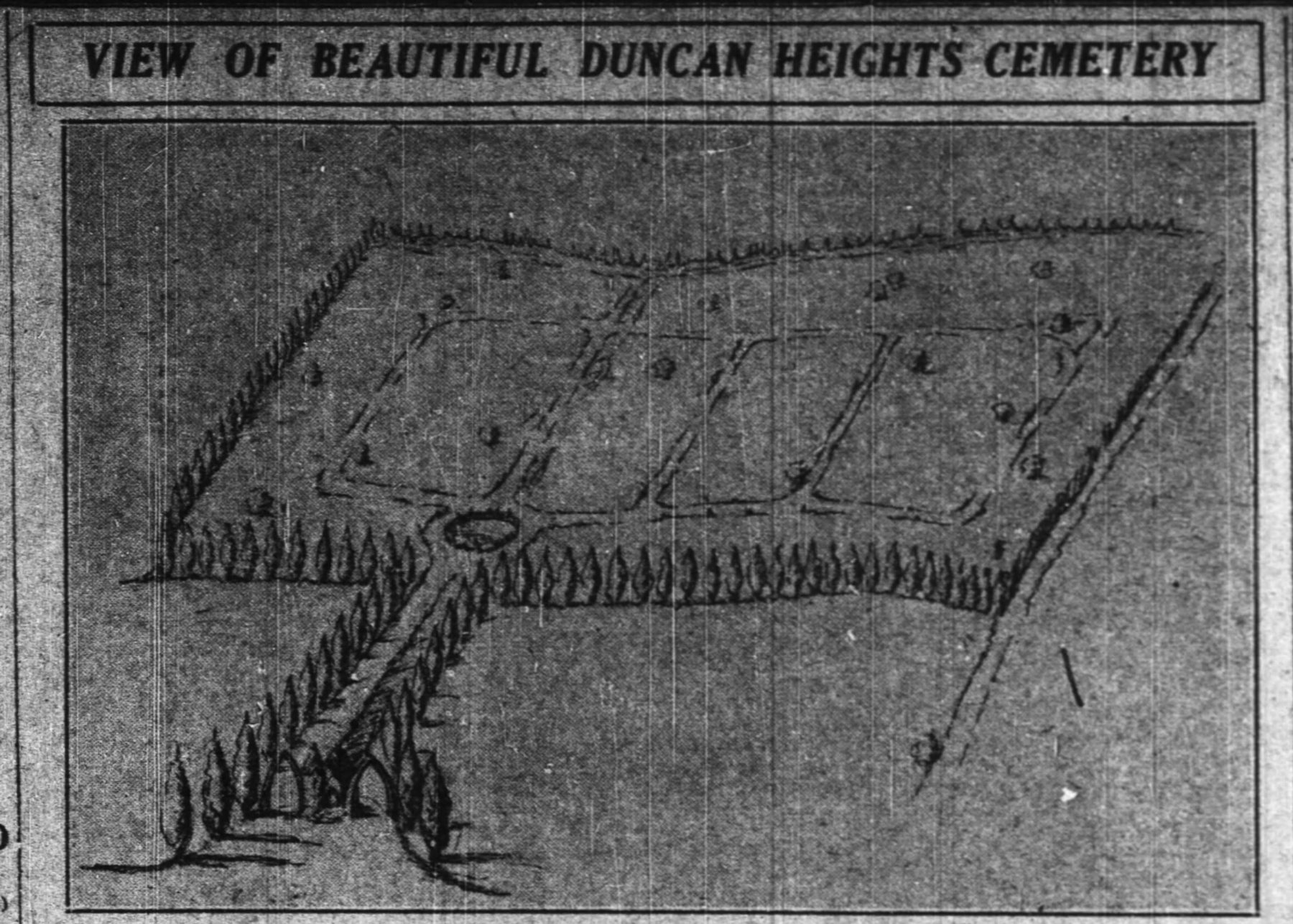
The cemetery's original marketing, from the pages of the Pittsburgh Courier — the only surviving visual record of how Duncan Heights looked when it opened.
"Announcing! Duncan Heights Cemetery, Inc." — Pittsburgh Courier, July 4, 1931."View of Beautiful Duncan Heights Cemetery" — a bird's-eye sketch of the planned grounds, Pittsburgh Courier, June 20, 1931.